
This guide to transport options in Lille covers what you need to know about getting to and around the city. It looks at arriving by Eurostar or driving to Lille, including where to park, as well as how to use the city’s metro, trams and buses. It also covers bike hire schemes and sightseeing tours to help you navigate Lille transport efficiently.
Lille Transport Options
Getting To Lille on Eurostar
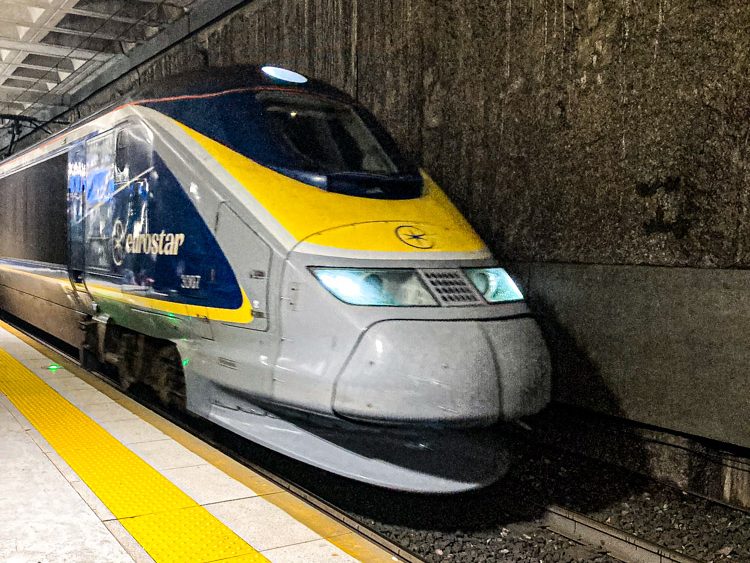
At only 90 minutes from London Saint Pancras, Eurostar is an obvious way to get to Lille. The Eurostar trains pull into Lille Europe station, which is around 15 minutes’ walk north of central Lille or a short metro ride away.
Lille Europe is also served by long-distance TGV routes to cities such as Lyon and Montpellier without needing to change stations in Paris.
Getting To Lille By Car
Alternatively, Lille is only 30 minutes from Dunkerque ferry port or 50 minutes from the Calais ferries or the Channel Tunnel making it equally convenient to arrive by car.
Lille is one of the cities covered by France’s Low Emission Mobility Zone scheme. Before travelling to France you can order a Crit’Air sticker to display in your windscreen. These are graded according to emission levels of your vehicle. The stickers cost around ten pounds and arrive by post in a few days. Vehicles with higher emissions may be restricted from driving in the zones when pollution levels are high.
Be mindful that whether you are on the French or Belgian side of the border, town names on road signs will be in French or Flemish accordingly. The Flemish name for Lille is Rijsel which can be confusing if you don’t know. Others to watch out for are Antwerp (Anvers in French), Gent (Gand), Kortrijk (Courtrai) and Ieper (Ypres).
Parking In Lille
There are numerous long stay car parks in Lille, often run by Indigo. We have used the car park above Lille Europe station twice for long stays; we like it because it’s well-lit with direct access into the metro. You can drive straight into the Lille Europe car park from a slip road off the main ring road although there are cheaper places to park than this.
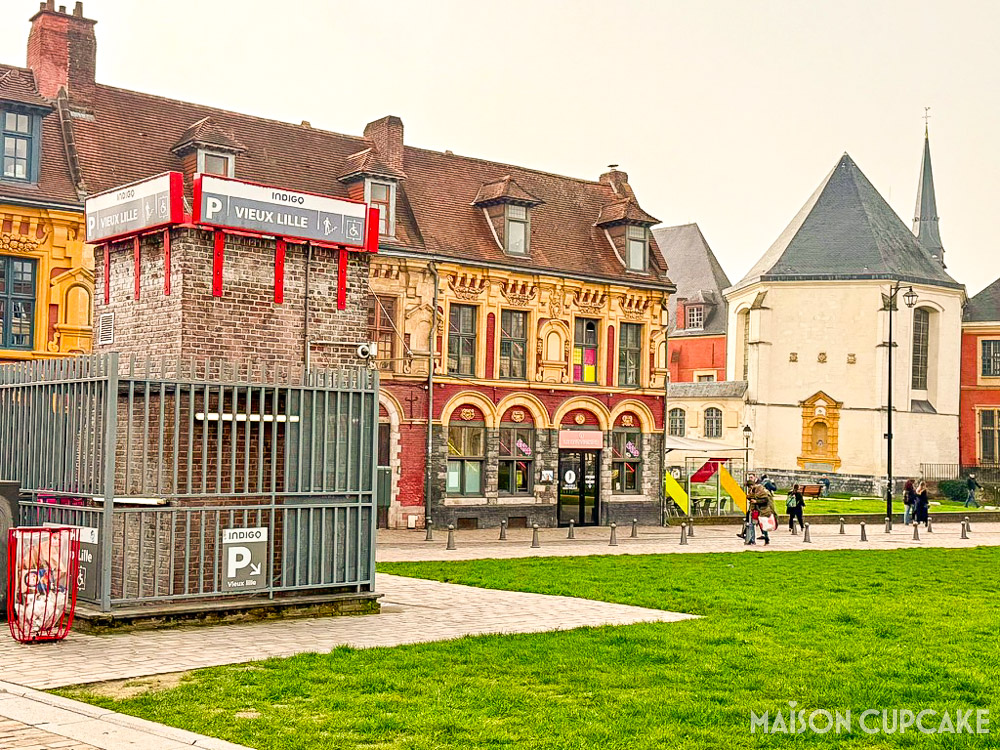
More central, and cheaper car parks include Parking Indigo Lille Plaza and Parking Indigo Lille Parc Vieux-Lille (pictured). Indigo Neo lets you prebook spaces if you set up an online account or you can drive in on arrival.
How Much Does It Cost To Park In Lille?
Expect to pay around 40 euros at Lille Europe per 24 hours but under 30 euros elsewhere in Lille. I can report that parking for 26 hours is charged at 26 hours rather than automatically tipping into a full second day. (The UK could take a lesson here!)
Paid French car parks tend to be pay-on-exit rather than guessing in advance how long you need. Parking charges tend to be lower than the UK, even in cities.
Do You Need A Car in Lille?
Whether taking a car to Lille is worthwhile depends on how many people are travelling and the relative prices for Eurostar tickets versus ferry or Channel Tunnel crossings.
Certainly you can get around Lille without a car although having one opens up the option to visit nearby cities such as Ypres over the Belgian border. Another benefit of taking the car is being able to fill the boot with goodies – Lille is stuffed with great shopping!
I would never take the car if travelling alone, but if it was several family members it might be cheaper than Eurostar, even after paying to park.
Getting Around Lille (Public Transport)
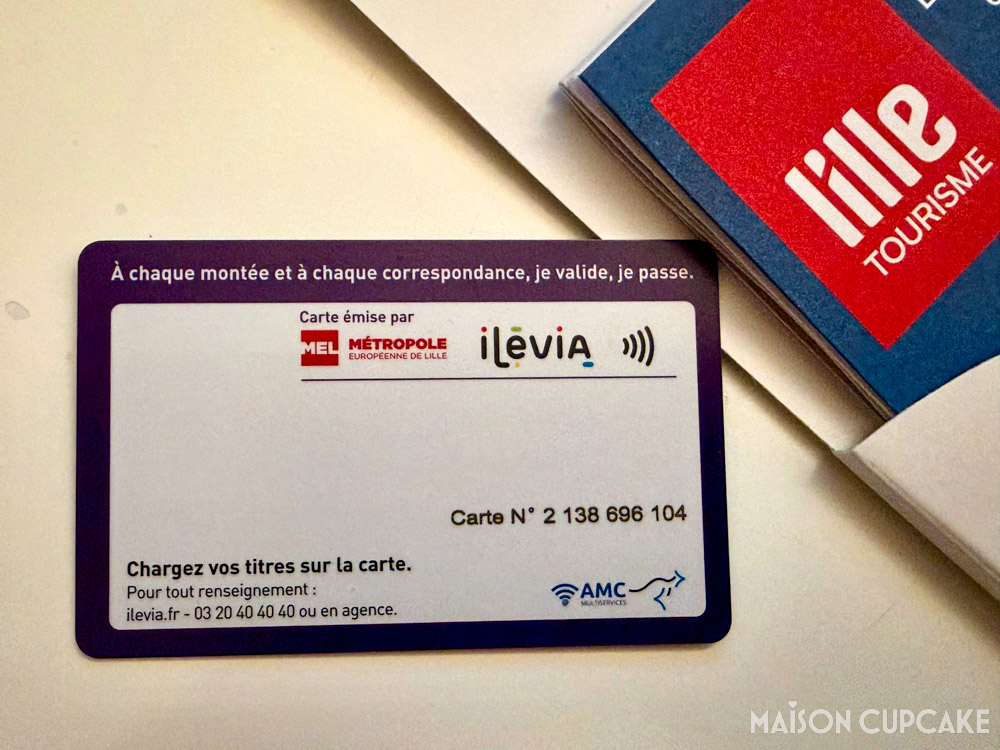
Lille has a comprehensive public transport system operated by Ilévia. If you are using the Lille City Pass you can get a small discount. Otherwise journeys are 1.80 euros each.
The Lille Metro
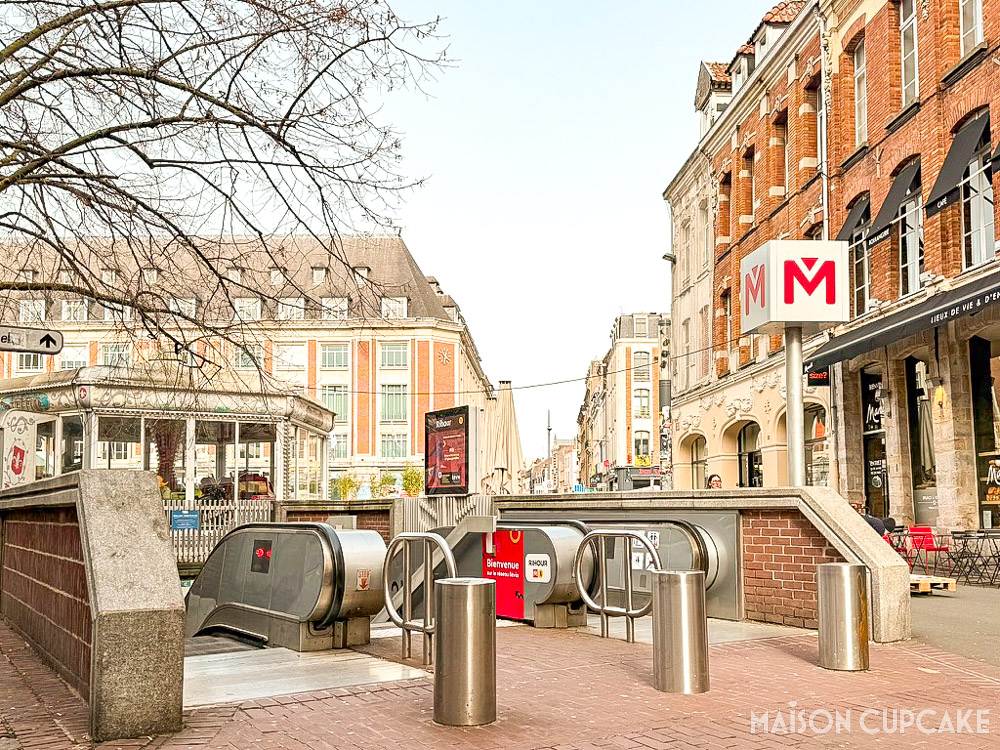
Lille has two underground metro lines intersecting at Lille Flandres and Porte des Posts. Services run every 4-5 minutes. Trains are much smaller than Paris or London although the network is less busy. Services run until late evening. Tap your card at the barriers to board – there’s no need to tap out.
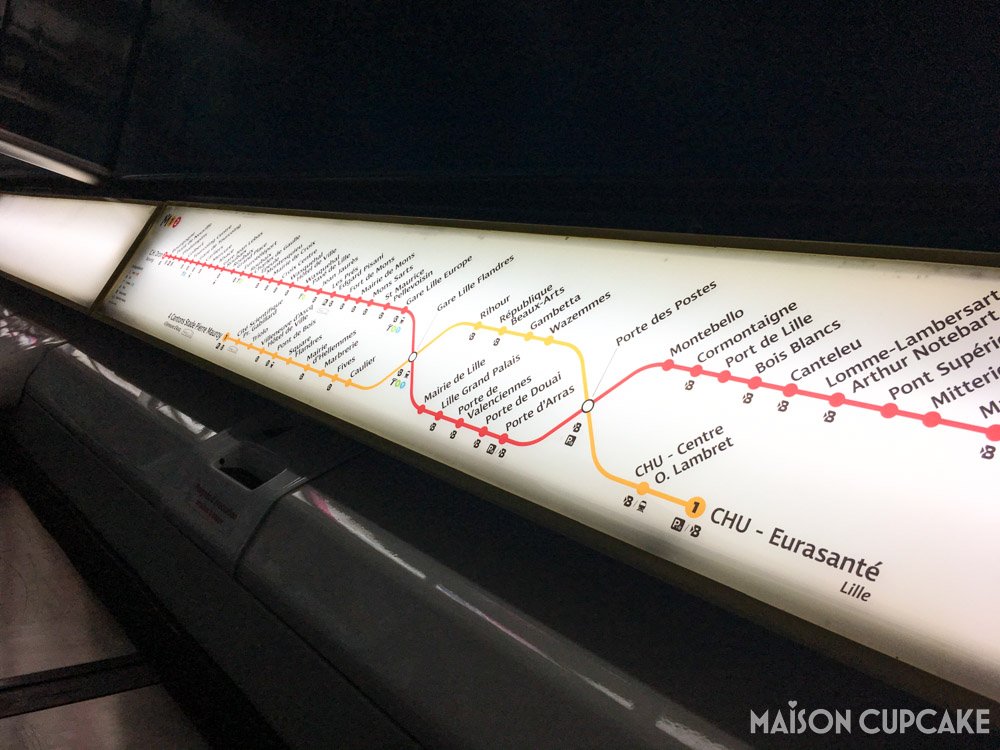
Whilst efficient for longer journeys, the metro isn’t terribly useful in central Lille as stops are far apart or journeys require changes at Lille Flandres.

The Lille metro is useful but a bit grotty. Little changed since the 1970s, metro stations are shabby at best, downright filthy at worst. Lille transport stations are dark and dated, puddles and broken tiles are commonplace.
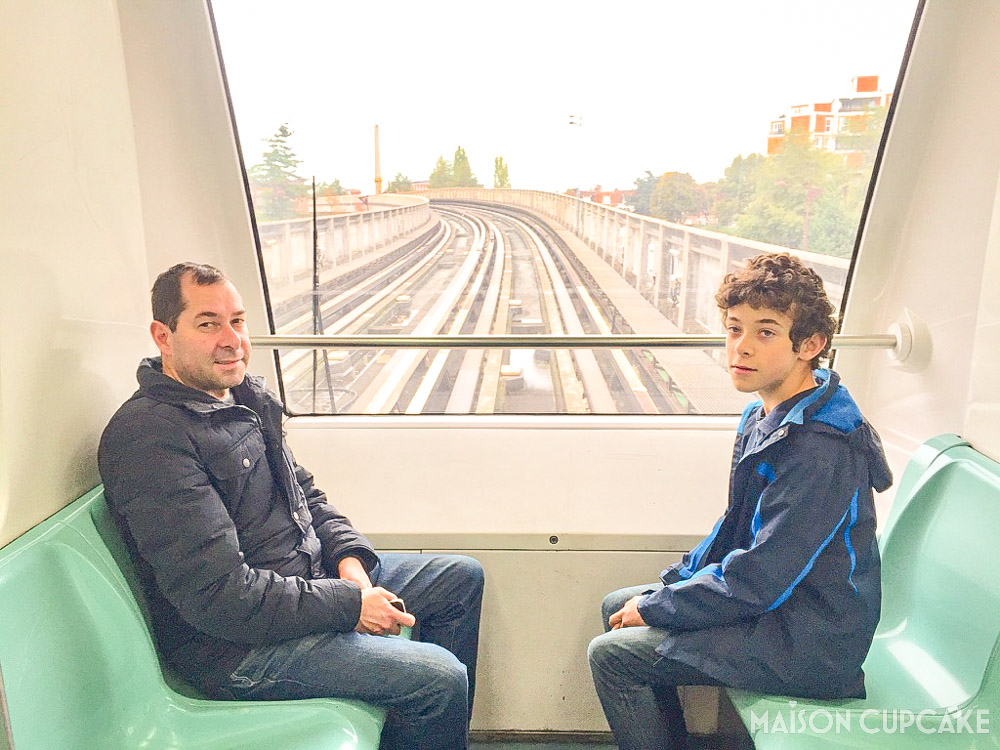
The carriages themselves are fine and the seats are, thank goodness, plastic instead of upholstered. Long promised renovations are stuck behind hoardings. Nevertheless, the Lille metro is fast, reasonably reliable and the driverless carriages mean kids love playing “driver”.
Using Lille’s Trams
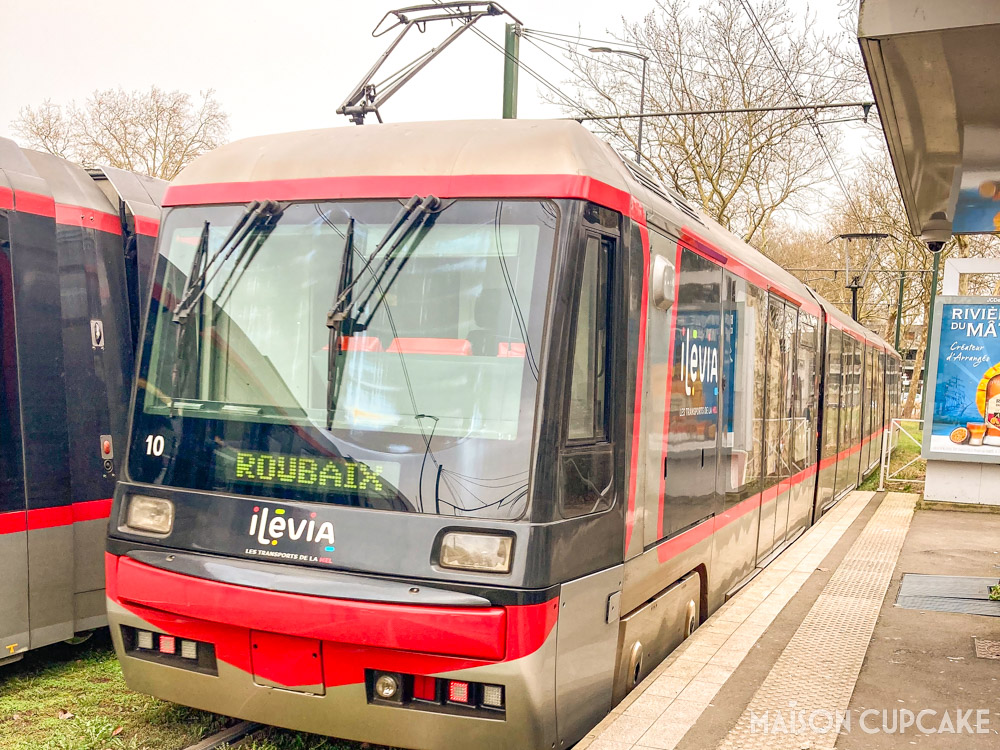
There are two tram lines going from Lille Flandres to Roubaix and Tourcoing. Services are around every 15 minutes although less often on Sundays. Tap your card on the terminal when boarding. The trams are more modern and cleaner than the metro.
You won’t see the trams around the historic centre as they run underground into Lille Flandres. But most of the journey will be above ground – the Roubaix route follows an old boulevard with many early twentieth century villas along the way.
Using Lille’s Buses
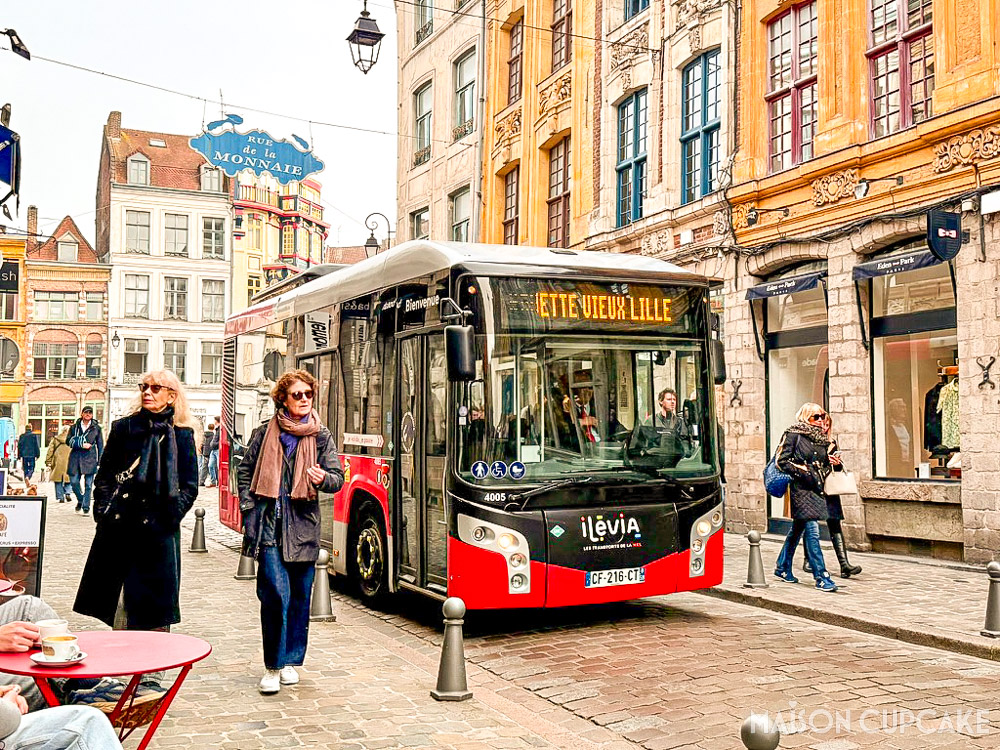
Lille has a mix of “Navette” shuttle buses in the old town and long “bendy” buses reaching outlying areas. Simply tap your card when boarding. There are 140 routes including 12 “Lianes”, express routes with limited stops.
Lille transport services are less frequent on Sundays. There is also one night bus route between the Pierre Mauroy stadium, the main centre and Douai.
For short-term visitors, buses are often less practical than the metro and trams as they tend to serve residential districts rather than link tourist attractions.
That said, you’ll want a bus connection to reach LaM modern art museum in Villeneuve d’Ascq as it’s not near the metro or tram. I also wish buses went past the Zénith concert venue or Villa Cavrois but annoyingly they don’t and both involve some walking.
Using SNCF Regional Rail
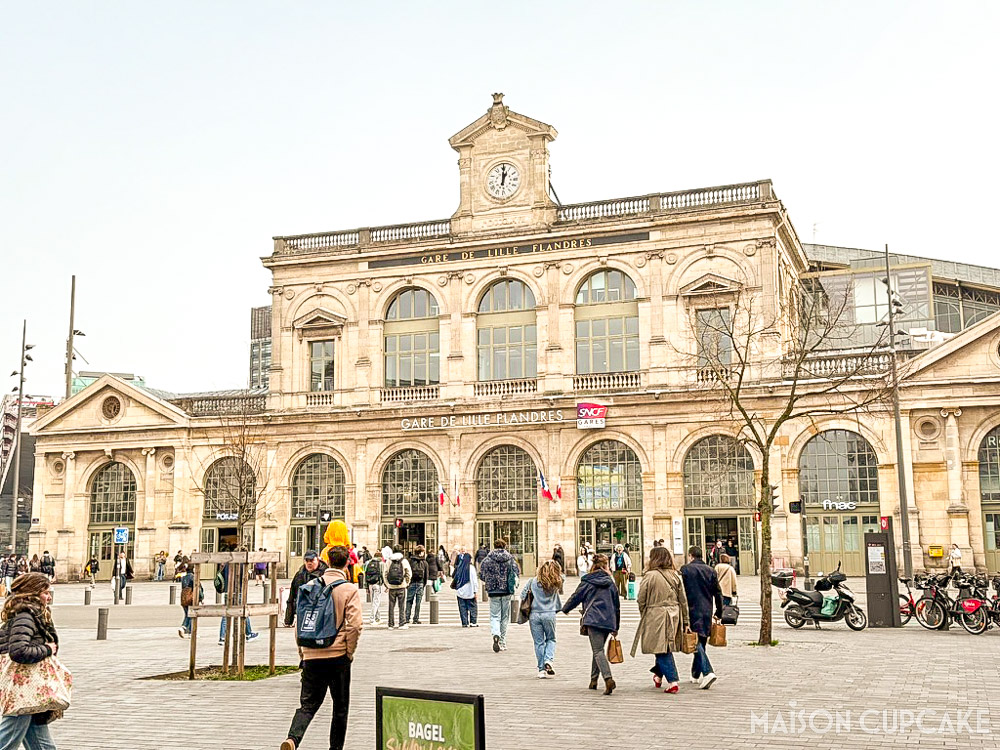
Regional rail services leave from Lille Flandres SNCF station. From here you can get local TER trains to places such as Calais, Dunkerque or Courtrai over the Belgian border. Non-TGV trains to Paris leave from here instead of Lille Europe.
An easy way for UK visitors to buy train tickets in France can be via the Trainline app which works for many SNCF/TER routes but not all. If it sells tickets for your chosen route, you’ll receive a QR code for the inspector to scan onboard.
You can also buy paper tickets from machines in the station. You need to validate these before boarding by stamping them at the orange “composter votre billet” machines on the station concourse or platform.
Bike Hire in Lille
Bikes can be a handy form of Lille transport to get to places such as the Citadel, or for exploring Saint-Sauveur and Fives. Although there are a growing number of bike lanes, the cobbles in Vieux Lille will be bumpy. You don’t need to take your own bike, there are a couple of options for visitors.
iLévia Docking Bikes in Lille
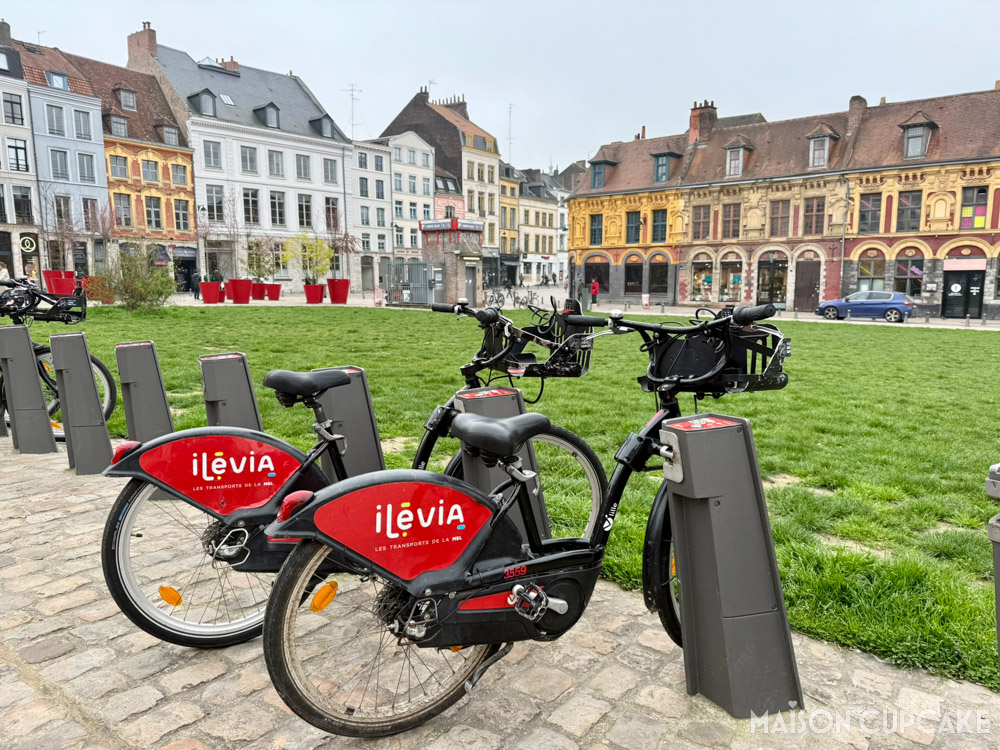
There are at least 30 docking areas and 260 docking stations for V’lille bikes, also operated by iLévia, around central Lille. These are free for rides under 30 minutes or 1.85 euros per 24 hours. You need to be over 14 years old to ride and set up an account in the iLévia app.
Lime Bikes in Lille
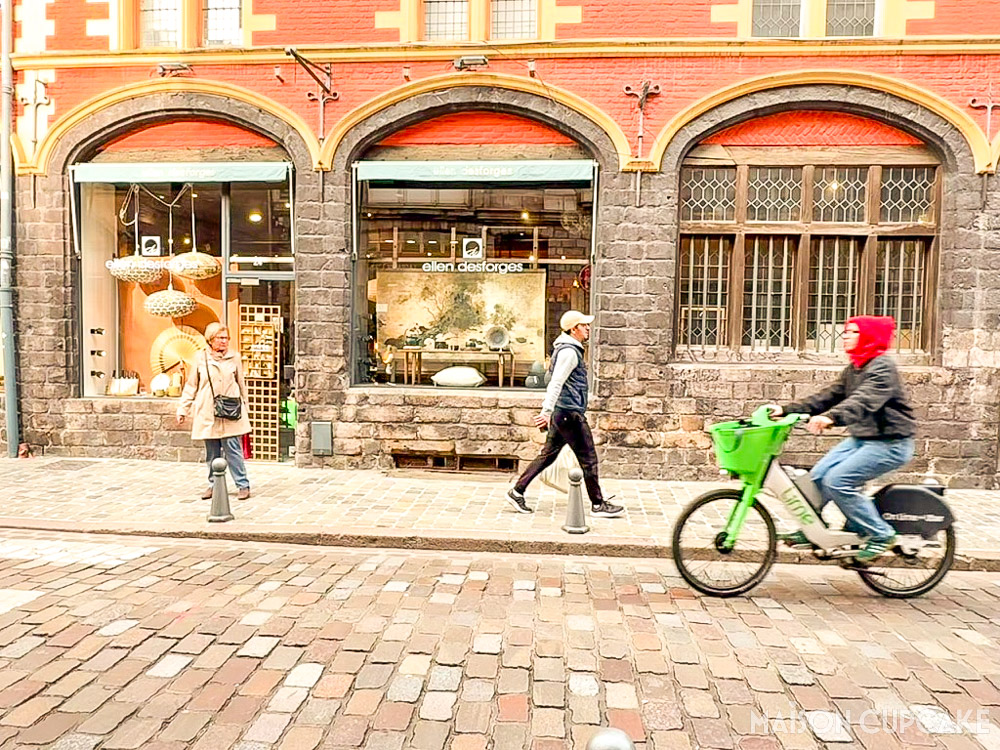
Lime e-bikes can be hired throughout Lille. There are dockless bikes but unlike some cities you can’t end your ride unless you’re inside a designated parking zone which keeps things tidier. I cannot comment how effective this is. You don’t need a separate French Lime account.
Tourist Transport Experiences in Lille
If you’d like to sightsee whilst someone else does the driving and navigating, Lille has several options available. All three of these tours leave from Palais Rihour.
Sightseeing City Tour By Bus
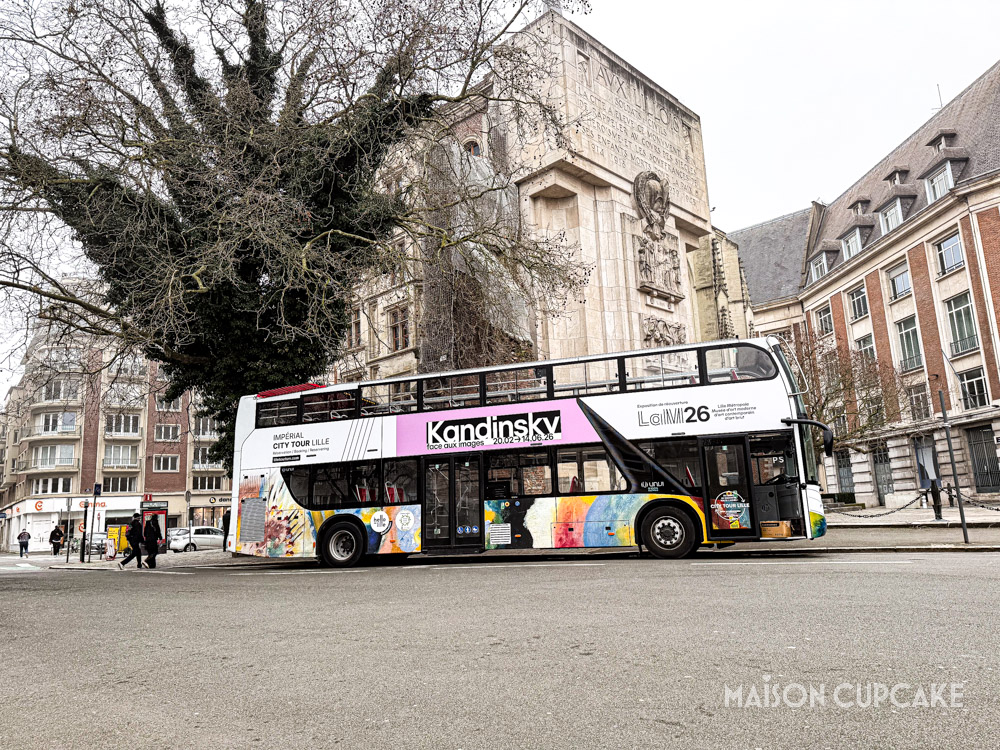
The Impérial City Tour of Lille by bus lasts 75-90 minutes taking in key sights around the city centre with an audio tour. It runs twice daily and costs around 18 euros or comes included with the Lille City Pass.
Tradi’Balade Vintage Car Tours
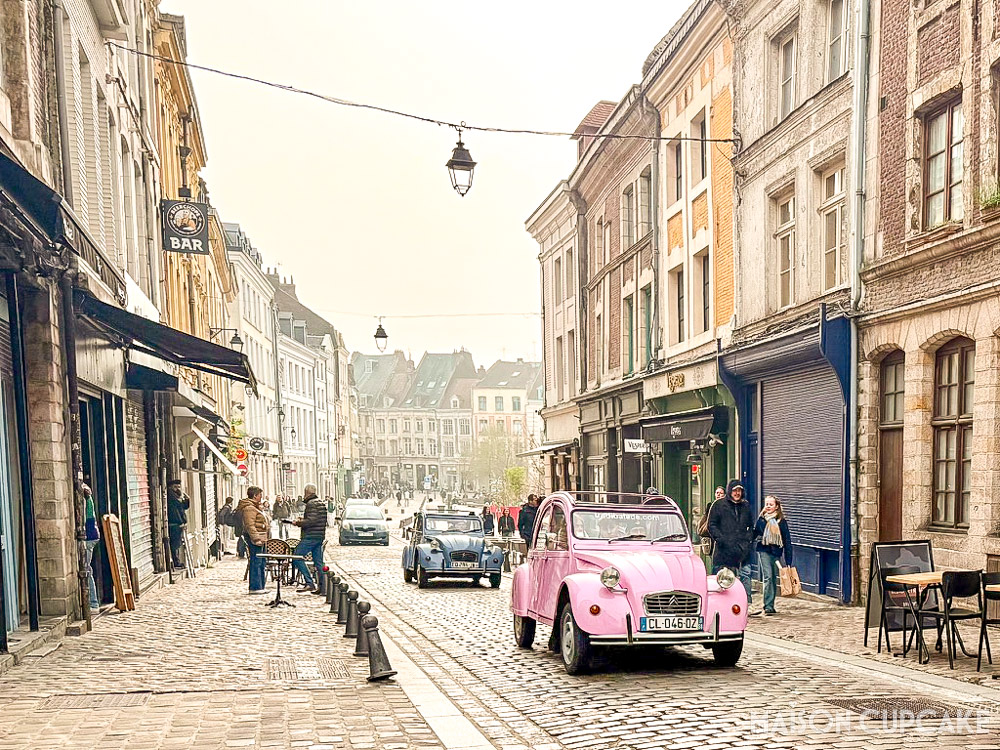
You can’t fail to notice the rallies of brightly coloured Citroën 2CVs zipping around the middle of Lille. Tradi’Balade offer a memorable way to see Lille in themed rides lasting 30-90 minutes.
The price per person ranges from around 40-80 euros according to tour length and group size. You can combine the vintage car ride with activities such as food tastings or solving a mystery!
Happymoov Vélo-Taxi Rides
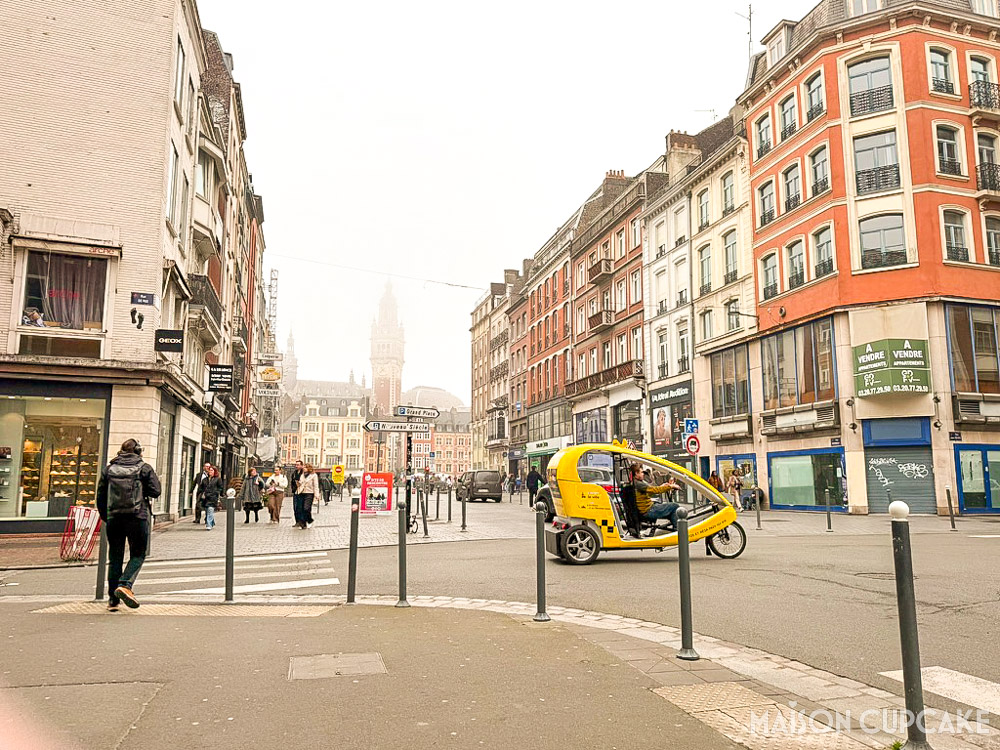
A novel form of Lille transport is a Happymoov Vélo-Taxi ride. Journeys around Lille are charged per vehicle not per person. Two people can enjoy the tours lasting one hour. Pre-booking is recommended, cheaper online and essential on Sundays or public holidays.
Don’t Forget Walking!
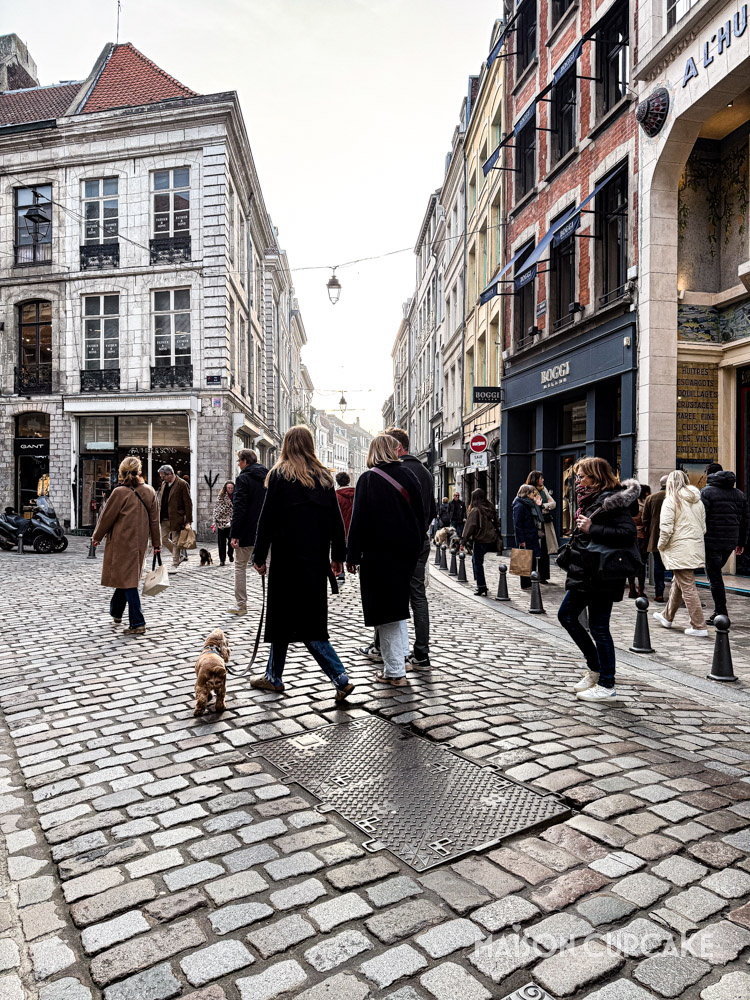
Much of Lille’s historic centre is pedestrianised or low traffic areas, which often makes walking more practical than public transport. The narrow streets of Vieux Lille are filled with decorative buildings and perfect for taking your time to absorb details. Most attractions in central Lille are within 20 minutes’ walk of the Grand Place.
If you spend your time around downtown Lille rather than visiting sites in Roubaix, Tourcoing or Villeneuve d’Ascq, you could see everything on foot if you don’t mind walking everywhere. Naturally there are plenty of French cafes to take a break.
Even a metro trip three stops away to Wazemmes would only take 30 minutes to walk back to the city centre. Long avenues in Lille are increasingly being landscaped with shrubs and cycle paths making them pleasant places to walk.
What To Read Next
- If you are planning a visit to Lille you may save money on museums and Lille transport by using the Lille City Pass – read my honest review for real life costs and visitor tips.
- Or see How To Spend Three Days In Lille by reading my detailed itinerary about our busy weekend including a day trip to Roubaix, various museums and Wazemmes Market.
- If you prefer a slower pace in a more natural setting, I have written about Things To Do In The Somme For A Relaxing Weekend.
Have you visited Lille? How did you travel around on Lille transport? Let me know in the comments!



Leave a Reply