
From buzzing pavement cafés on boulevards, to the beehives in Parc du Luxembourg, from the noisy chimes of Metro doors closing, to gazing at éclairs through a patisserie window: Paris is a feast for the senses.
Out of over seventy trips I’ve made to France, at least ten of these were to Paris. Whether you’re a first-time visitor or want to explore hidden corners, here’s my overview guide to a great visit to the French capital. I have far more to share about Paris than I can fit into one post, so consider this an evolving jumping-off point.
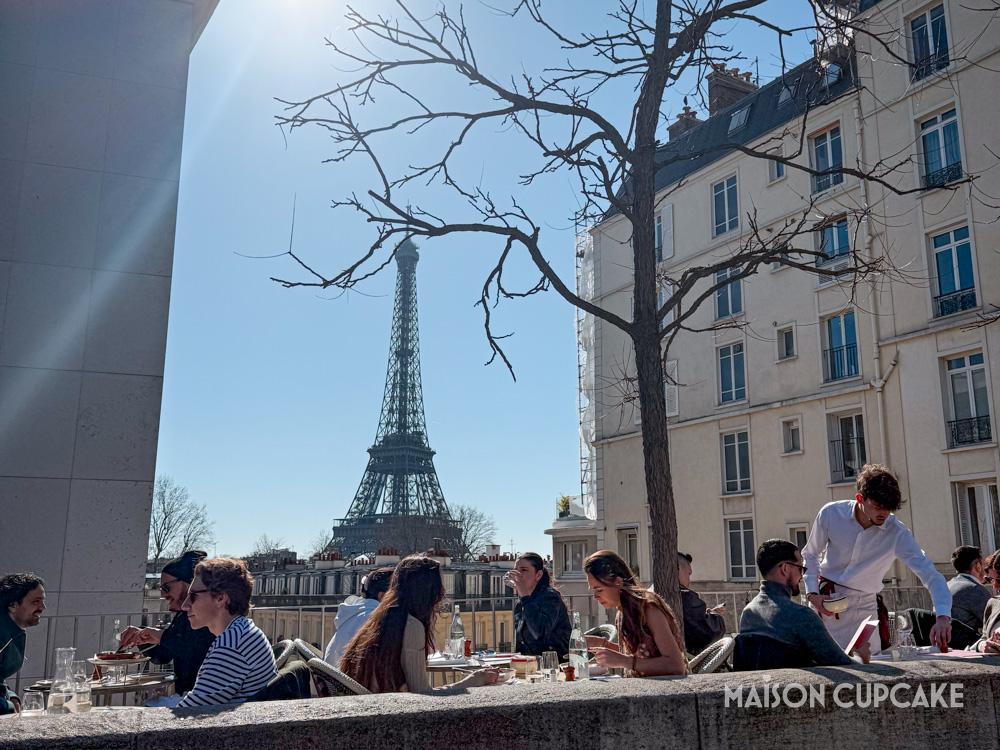
Friends often ask me for personal recommendations where to go and what to do in the French capital. To make these tips easier to update, this will be my umbrella guide to my experiences in Paris. Some posts linked here were written on earlier trips. I still stand by these but am slowly updating and expanding this guide with more recent Paris experience.
My Paris Guide – Contents
Paris at a Glance
Regular visits to Paris – three times in 2024 and likely as many this year – gave me the chance to learn my way around on foot and by bus, rather than solely on the Metro. I’ve built up a map of places to return to, as well as a wish-list of new ones to visit.
I’ll use this guide to signpost some of my own Paris highlights and suggestions – these aren’t predictable checklists seen in every Paris guide; I share real experiences and practical itineraries from my trips. These are my lived experiences not listicles selling expensive tours.
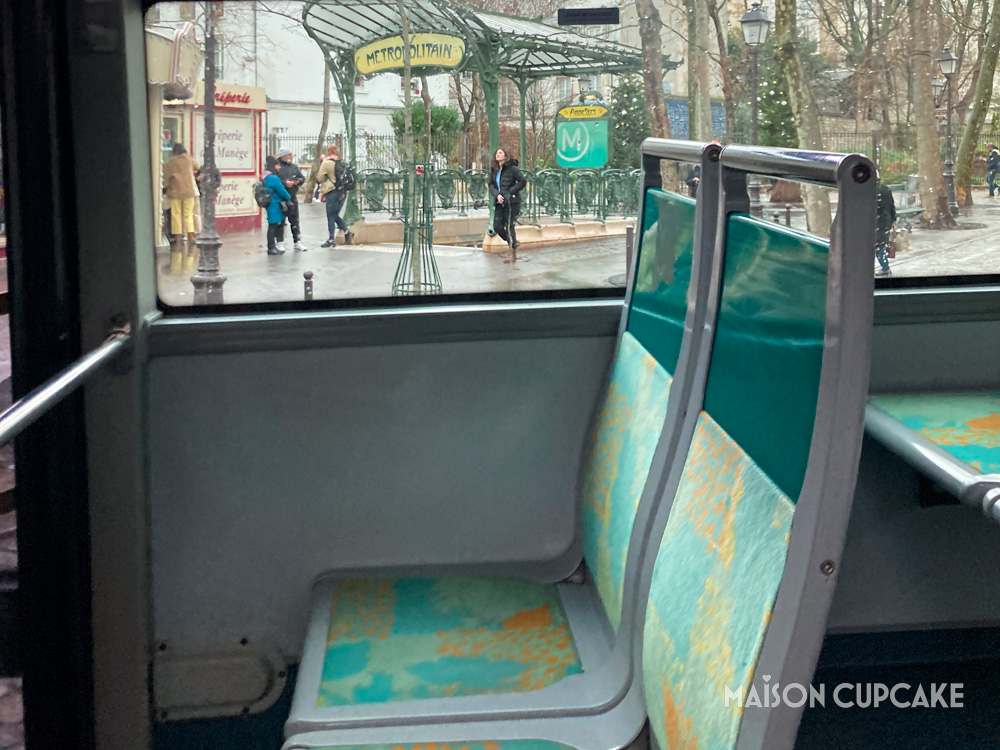
Central Paris is compact but densely packed with sights and attractions for any tourist. But Paris is more than beautiful monuments, this is a living breathing city full of Parisians going about their daily lives.
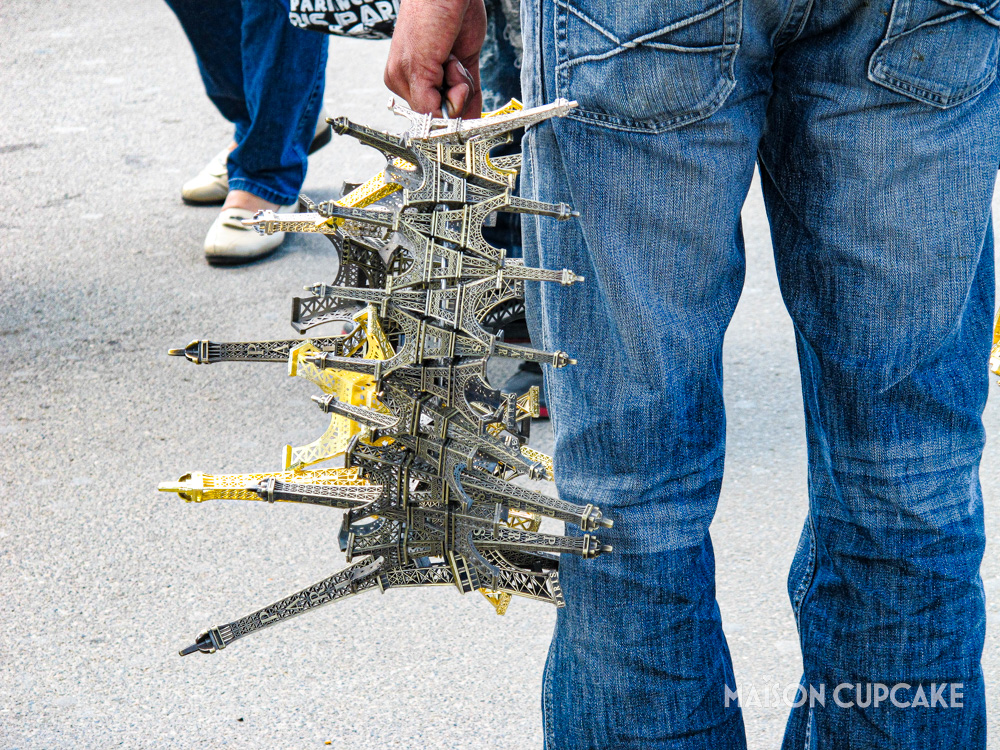
Ignore the clichés about the French being rude; follow a few simple rules, like saying “Bonjour” and keeping your voice down in restaurants, and you’ll get along fine. Paris has style but it isn’t always polished, you’ll see graffiti and rubbish piled up. It’s not the image shown by influencers swishing their hair and Chanel bags in one street by the Eiffel Tower.
Paris is great to visit all year round, though it can be cold in winter and extremely hot in summer. Small businesses often close for extended holidays in August, and naturally the summer holidays are busier than off-season. I’ve spent bright, blue-skied January days there, when waves on the Seine sparkle in the sun – proof that any time can be a good time to visit Paris.
Choosing where to stay in Paris
I’ve stayed in several areas in Paris, but my personal preference is to be within walking distance of Gare du Nord. It means I can drop off luggage on arrival and avoid queues for Metro passes at one of Paris’s busiest stations.
I’m fond of the 10th arrondissement neighbourhood close to Canal Saint Martin which is about a 15-minute walk from the Eurostar terminal. In the other direction, it’s as easy to stroll towards Montmartre.
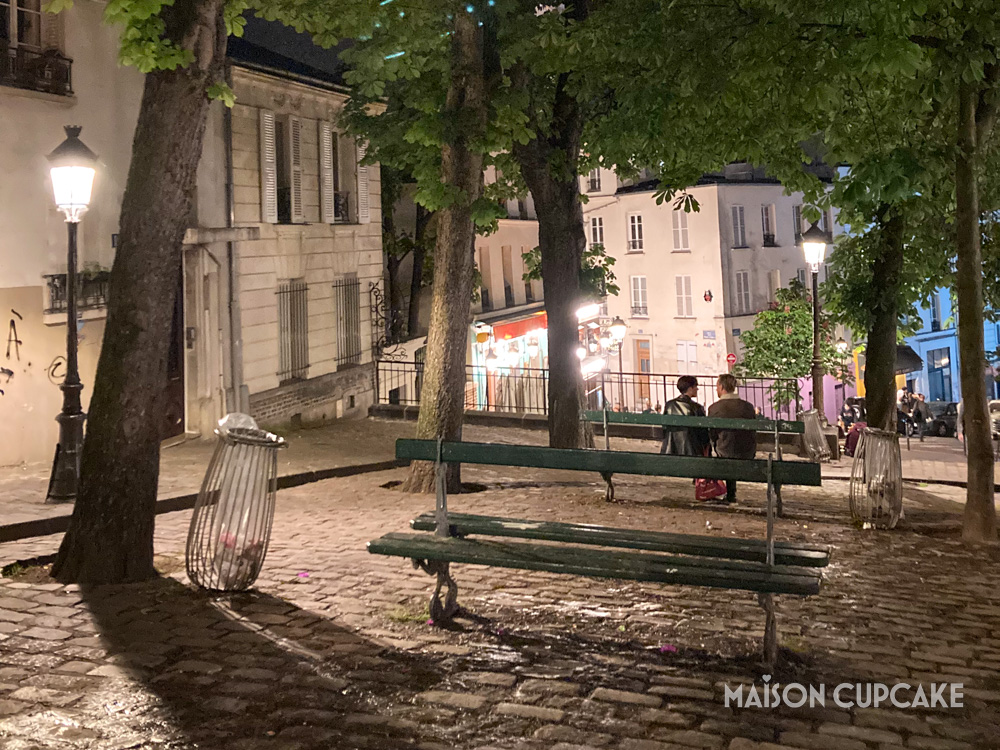
South of the Seine, the Sorbonne and Latin Quarter are a favourite. Here you’ll find restaurants, independent bookshops and cinemas frequented by students. Nearby are the domed Panthéon and the Emily in Paris-famous Place de L’Estrapade, or you can walk to Saint-Germain-des-Prés.
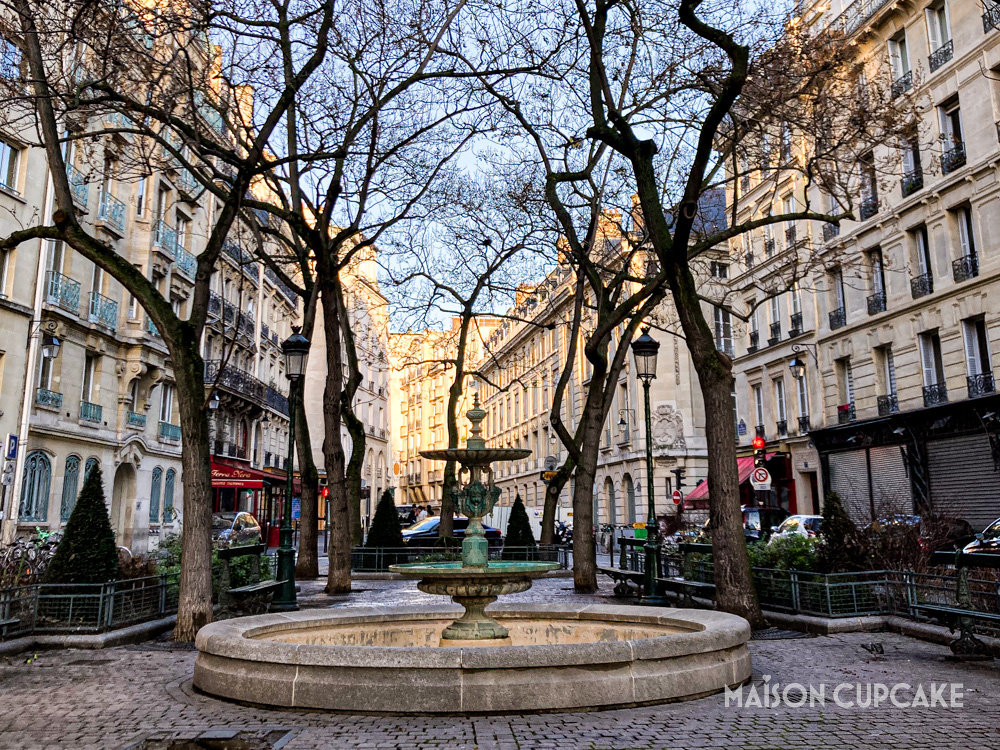
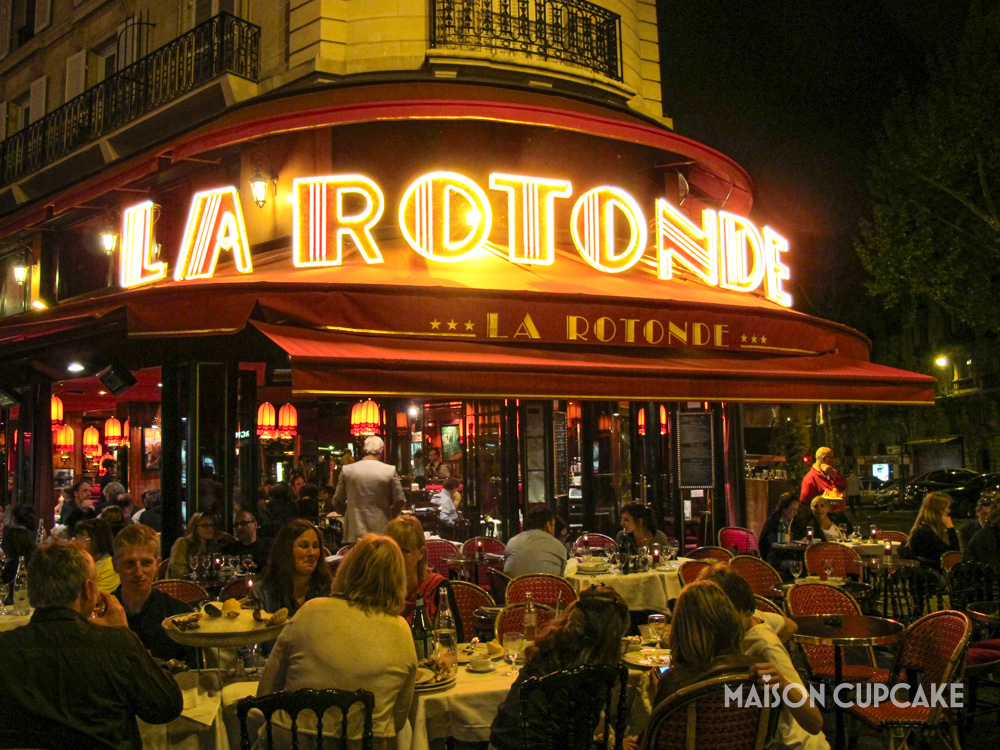
Further south still, Montparnasse offers iconic brasserie restaurants such as La Coupole and Café Le Dôme along its wide boulevards. I like the vibe of Montparnasse for its lived-in feel, rather than obvious proximity to big sights.
Its cultural history is fascinating too, former residents include Giacometti and Simone de Beauvoir, who grew up in a flat above La Rotonde. Montparnasse cemetery is less obvious, but with equally interesting “residents” to pay homage to than at the more famous Cemetière Père Lachaise in the east; Serge Gainsbourg and Jane Birkin are buried here.
If you don’t mind staying further outside the city, there are several campsites around Paris. We have been camping in Maisons-Laffitte, west of the city, but under an hour away on high-speed RER trains. Saint-Germain-en-Laye is another leafy, well-heeled suburb worth considering and it’s not far from Versailles. An advantage of staying on the outskirts is the ability to park if you’ve arrived via car ferry.
Granted, Paris is also ringed by rough-edged Brutalist concrete banlieue that I wouldn’t recommend. My top tip is to scout neighbourhoods on Google Street View to gauge the vibe, especially to imagine the route between your accommodation and public transport at night.
Eating in Paris
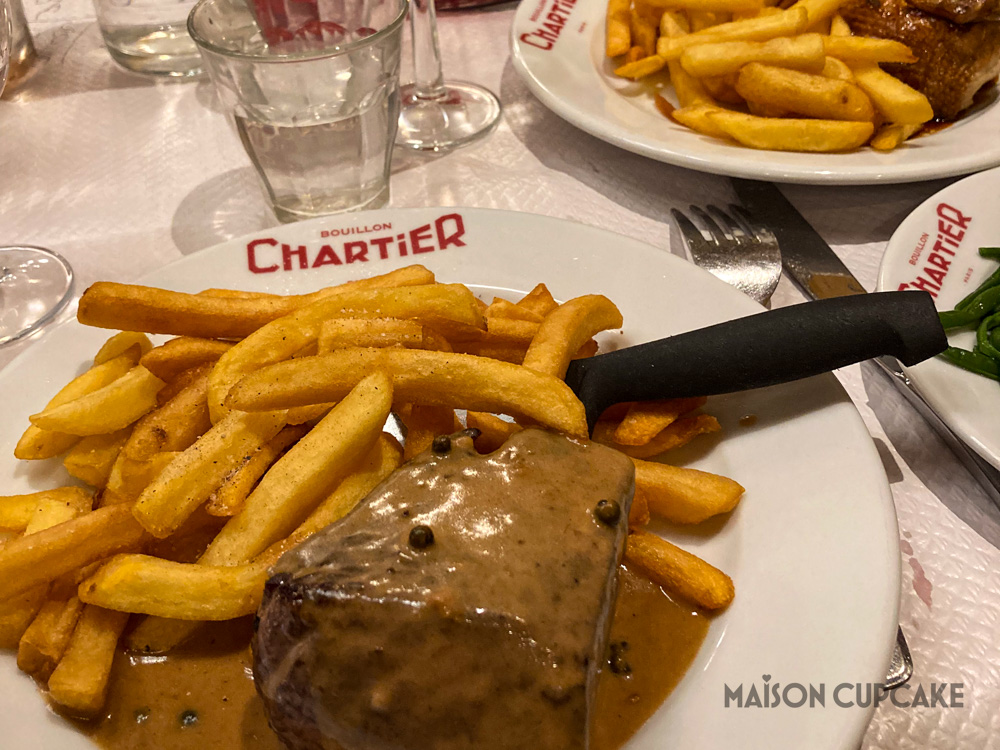
My Google map is scattered with pins of cafes and restaurants I’d love to visit. I try to mix visiting old favourites and new discoveries each trip. Paris offers global cuisine, but given I have access to this in London, I like eating French food in France.
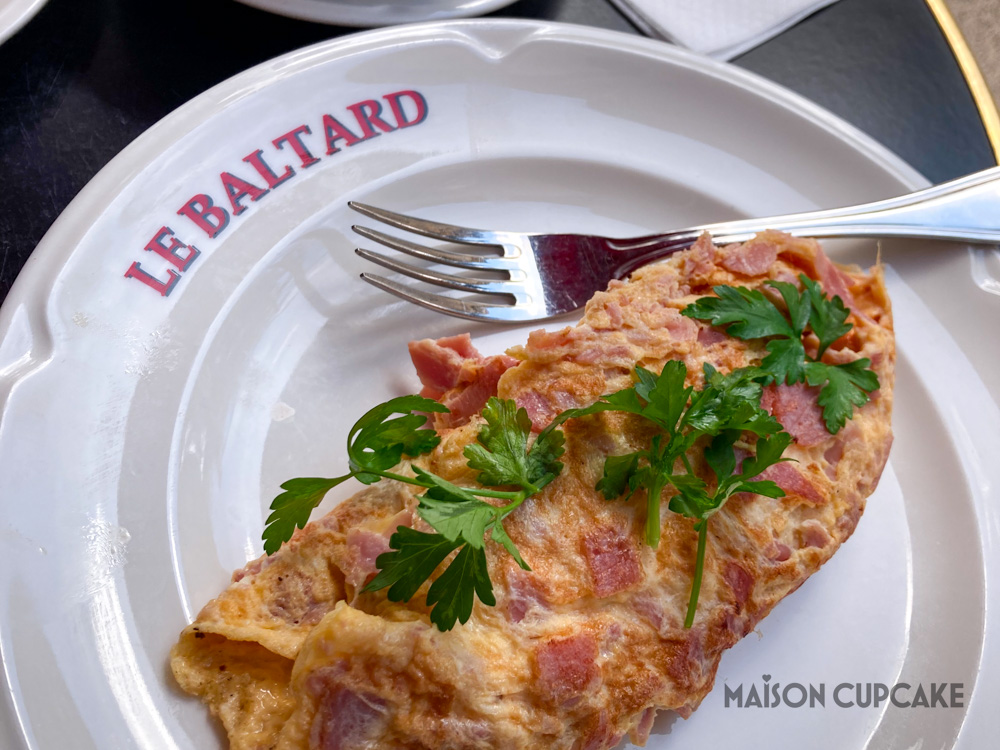
If I’ve had a substantial hotel breakfast, I tend to choose sandwiches, salad or a light main dish at lunchtime. Most restaurants serve either croque-monsieur or omelettes at lunchtime. Paris also has plenty of crêperies serving savoury buckwheat galettes and sweet pancakes.
You don’t always have to book for dinner, I’ve wandered into many places last minute, but if you have a special destination in mind, a reservation is wise, even if only a few hours before. A lengthy menu in multiple languages with photographs of the food suggests a tourist trap you should avoid. Nevertheless, many restaurants will provide menus in English.
Art, Culture and Galleries in Paris
The obvious pulls may be the Louvre and Musée d’Orsay but I encourage people to avoid the crowds and go to smaller museums of which Paris has dozens – I will write about my favourites in a future post but here are some tasters.
Up in Montmartre, you’ve got the Dalí gallery of his drawings and sculptures; you can even buy reproductions.
Close by and tucked away from the heaving Place du Tertre and gimmicky portrait artists, Musée Montmartre offers quieter refuge with a history of this Bohemian neighbourhood. Alongside a garden (and vineyard!) painted by Renoir, you can visit the studio of Parisian artist Suzanne Valadon. Early twentieth century artefacts from local establishments include a zinc bar, vintage telephones, paintings and black-and-white photos of can-can dancers. For fans of Moulin Rouge, it’s a must.
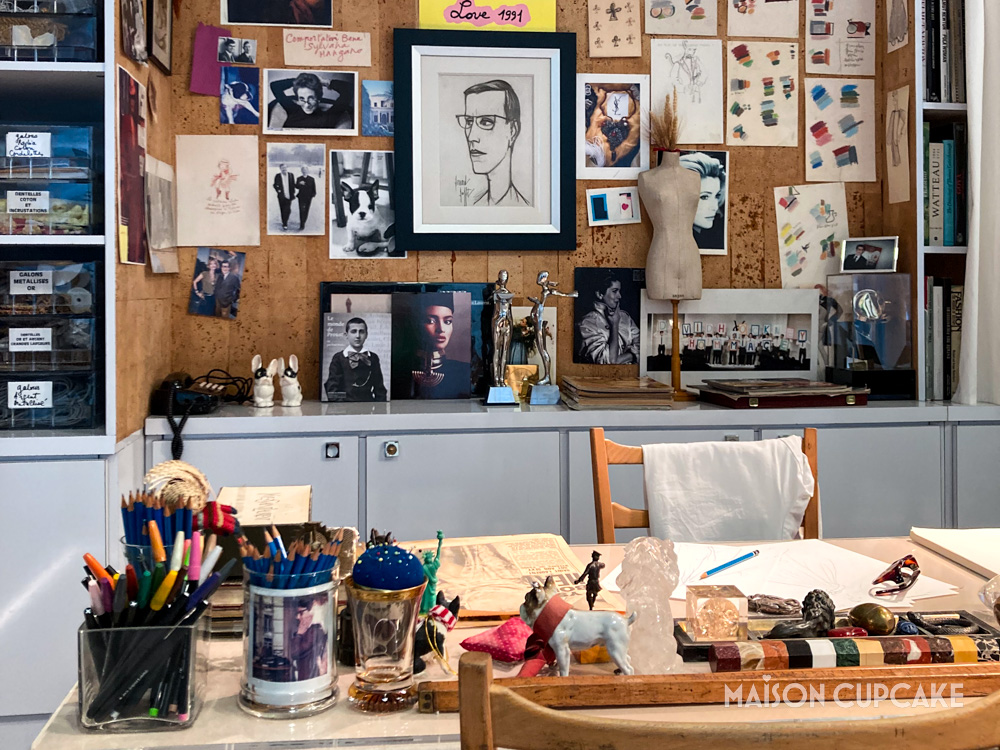
My favourite fashion museum in Paris is the Yves Saint Laurent Museum. His former Parisian home, the museum shows regularly changing exhibitions exploring his clothing, accessories and jewellery focussed on themes such as gold, lace or flowers. Saint Laurent’s sky-lit studio packed with books, notes and fabric samples, has been left as if the late designer has just stepped outside and makes an emotional visit for fashion lovers.
Nearby, the Palais Galliera is the serious fashionista’s museum with bigger shows devoted to single designers. Recently these have included Coco Chanel, Stephen Jones (hats) and Rick Owens.
Meanwhile next door to the Louvre, an off-shoot of the more famous museum but venue in its own right, the Musée des Arts Décoratifs, Paris’s equivalent of the V&A, shows exhibitions dedicated to design movements, people or locations. Recent displays showcased Elsa Schiaparelli, Paul Poiret, Parisian department stores and the Art Deco movement.
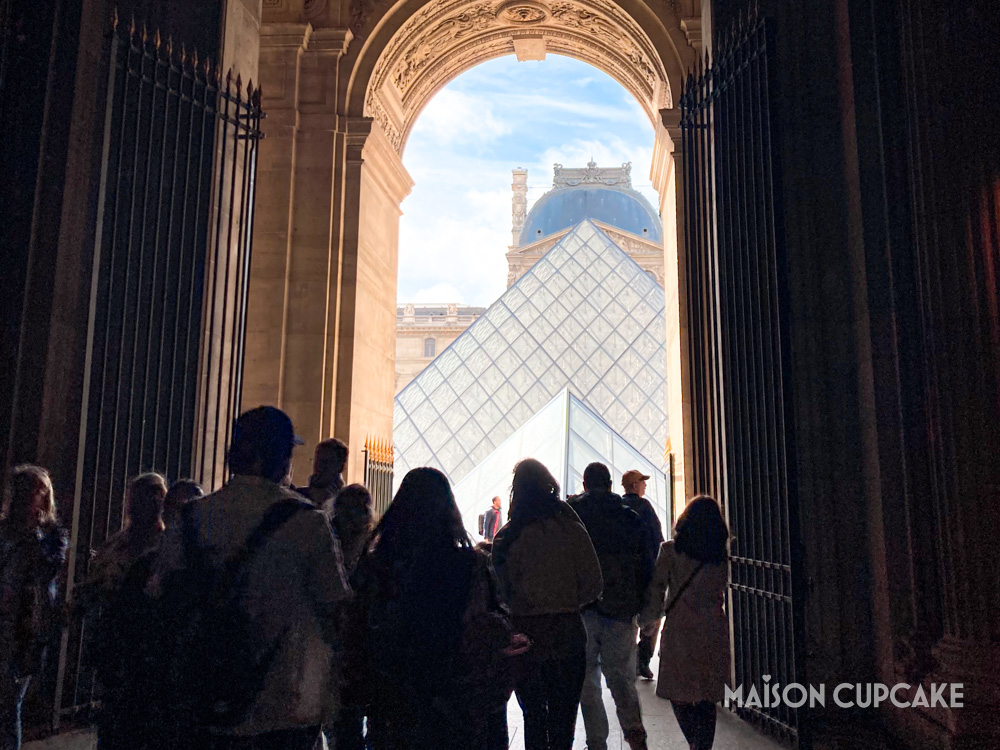
Pre-booking is advisable for all of these if you have a strict itinerary and it’s essential for the Galerie Dior on Avenue Montaigne. That said, it’s often easier to get into Paris exhibitions without lengthy pre-booking, compared to say, the V&A in London.
My most recent experience pre-booking for the Louvre still entailed a 90-minute wait only to abandon going inside altogether. Given the alternative ways I might have spent my precious time in Paris, I was furious – so forgive me if I have little positive to say about the Louvre for now. I hope to be more fortunate on a future visit.
Planning Itineraries in Paris – An Example Day
Strike a balance between loose planning and flexibility – depending how the day pans out. Parisian buildings often have decorative features you should allow breathing space to look up and absorb. I do however, suggest booking early slots at museums and attractions to maximise your time.
To give an example of a full, but realistic timetable, here’s how we spent one day on a recent trip:
- 8:00 Breakfast at our hotel near Gare du Nord.
- 9:15 Left the hotel and took high-speed underground RER train to the Catacombs (south).
- 9:45 Timed entry to the Catacombs (pre-booked and arrived early for 10:00).
- 11:15 Found sunny spot to enjoy coffee afterwards.
- 11:45 Headed towards Montparnasse and explored famous grave sites at the cemetery, (this was unplanned – instead of the Zadkine gallery, flexibility in action!).
- 12:30 Wandered through authentic locals’ Edgar Quinet market then enjoyed relaxed lunch at a crêperie in Montparnasse’s Breton district.
- 14:00 Walked to Bon Marché (iconic department store), browsed the food hall.
- 15:00 Ambled up Rue de Bac, strolled along a short stretch of the Seine riverbank then wandered into Saint-Germain-des-Prés. We popped into smaller shops and had another pavement coffee midway.
- 17:30 Went back to hotel for a brief rest.
- 19:00 Ten-minute walk to Canal St Martin, then chose a random bistro for dinner.
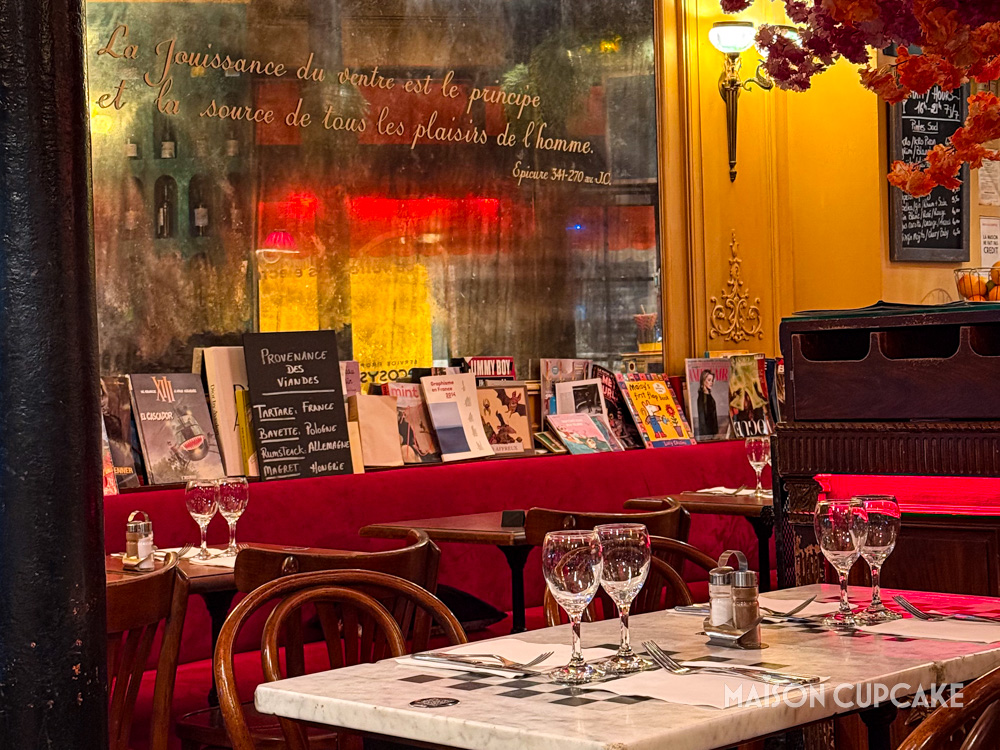
Be realistic how much you’ll get done in a day in Paris. Choose an area to circle around and pick a couple of activities or sights either side of lunch. Allow yourself time to grab a coffee. Choose a restaurant near your hotel on at least one evening rather than dashing about until late.
In Paris it’s important to sit still and watch the city happening before you. It’s not just about ticking off a visit to the Eiffel Tower. In any case, I’d suggest L’Arc du Triomphe as an equally memorable alternative with shorter queues and lower entry price.
Paris for different types of visitor
If it’s your first time in Paris, inevitably you’ll want to see the big sights. On my mum’s first visit we used local buses that took us past Notre Dame, L’Arc du Triomphe and the Trocadero (from where there’s an excellent vantage point towards the Eiffel Tower) on one day. I wanted to show her EVERYTHING but had to be realistic what she could comfortably manage.
There simply wasn’t time to waste queuing up to get into things. I don’t see the point of having two days in Paris but spending two-thirds of one day in The Louvre. Rather I focussed on showing my mum iconic buildings from buses, with more detailed walks around Montmartre and the covered shopping arcades north of Les Halles.
For fashion lovers: Browse boutiques, vintage stores and BHV Marais (department store) and the Azzedine Alaïa Foundation around The Marais.
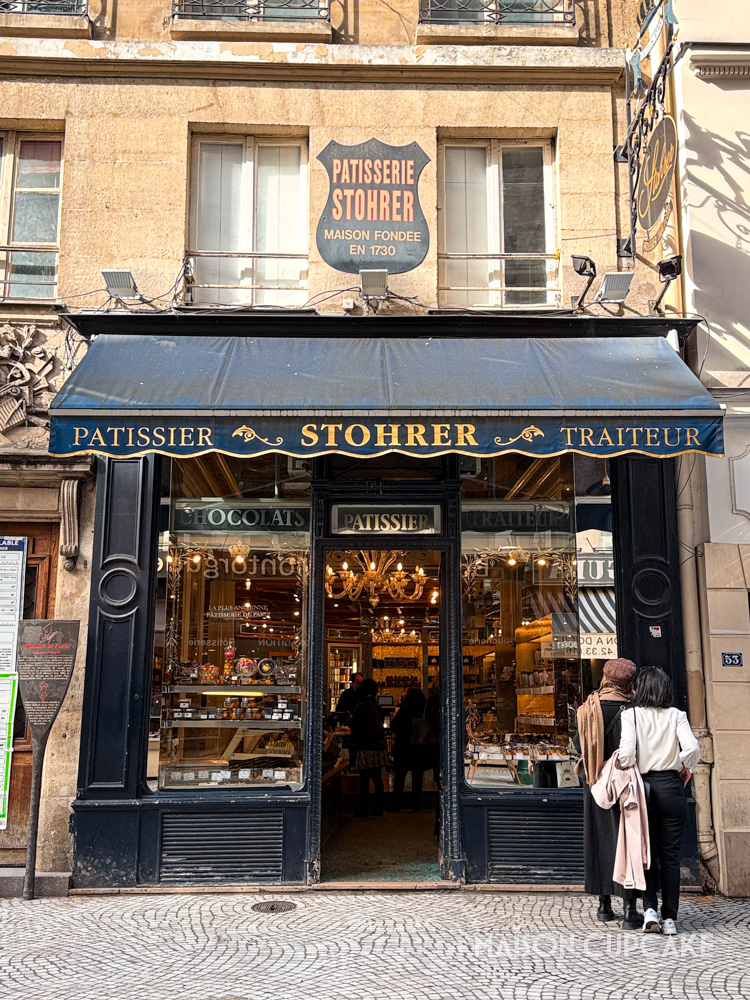
For foodies: Zone in on Rue Montorgueil district, with its independent food stores and the oldest patisserie in Paris, Stohrer. E Dehillerin, packed with restaurant quality cookware is nearby.
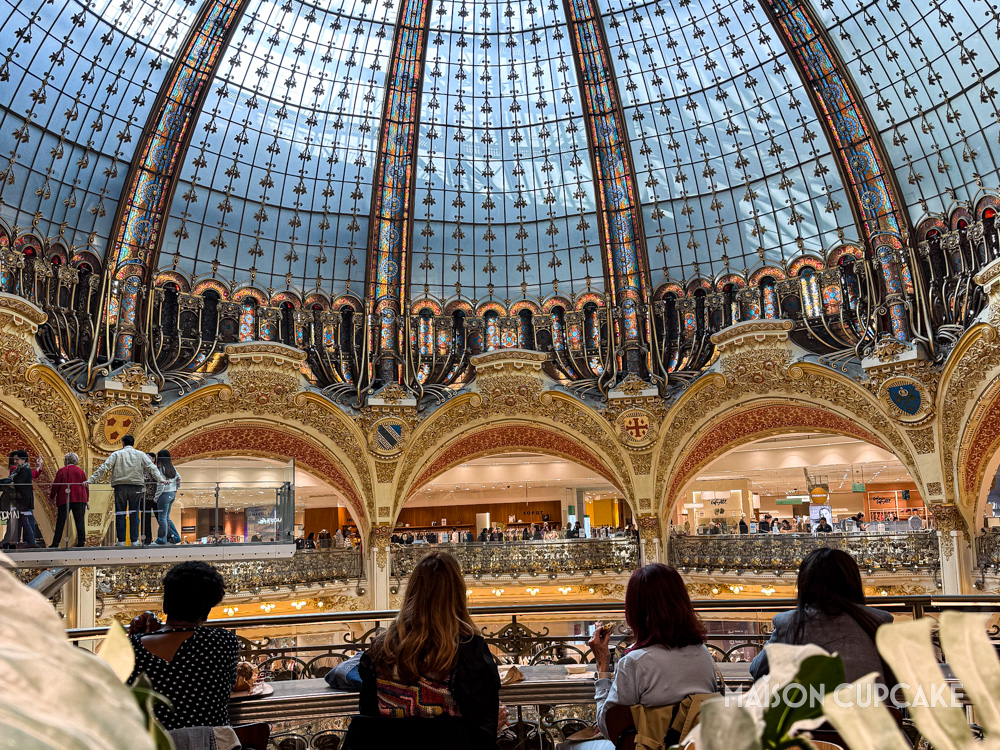
For shopaholics: Don’t miss the Grand Boulevards’ department stores. Galerie Lafayette has an iconic glass dome above the ground floor’s beauty hall. If you work your way up all six floors, the roof boasts a fabulous outdoor terrace overlooking the Opera Garnier.
The expensively refurbished Samaritaine, recently opened again after twenty years’ closure, has mille-feuille layers of swirling Art Nouveau iron balustrades, and a golden-hued painted atrium. It is visually stunning and an essential stop – even if you’re not buying a Celine handbag.
For children: When Ted was small we found plenty of things to do in Paris with children.
Practicalities in Paris
Even when using buses and the Metro, you will walk more than usual in Paris. I’ve clocked up as many as 30,000 steps in a day, so leave your heels behind and wear robust, comfortable shoes.
Metro stations often have huge flights of stairs to reach platforms; walking to a nearby station on a different line can save effort making connections. Plus, navigating Paris above ground helps you get your bearings. Places are often closer together than you realise.
Hotels can be cheaper on Sundays and Mondays though many independent shops and museums may be closed. Although I favour collecting loyalty points from certain hotel chains, Paris has many characterful independent hotels it would be a shame to rule out. But don’t expect a palace – unless you’re paying for The Ritz.
Paris hotel rooms can be cramped, and while an iconic view is unlikely, you may end up looking onto a dark inner courtyard. Triple or family rooms are harder to find so families may need multiple rooms. If I’m travelling alone, I choose hotels in wide (look on Google Street View) streets close to the Metro or bus stop rather than narrow alleys.
For clothing in Paris, I avoid wearing bulky coats and use a zip-up cross-body bag for my valuables. I carry a tote bag for purchases or layers removed along the way. If your trip is short, it’s easier to gauge whether to bother with a raincoat.
I like wearing a leather jacket as it’s showerproof and feels less touristy than a hooded anorak. Although I love cute French slogans on tops at home in London, I leave these behind – they do not translate so well in Paris.
On my last day, I store luggage securely at the hotel reception and fetch it before leaving. Even if you travel light, allow extra space in your luggage to squeeze in some French goodies to bring home!
What to read next
- Visit Canal St Martin – Explore the charming streets, bridges and cafés of this authentic Parisian locale.
- Take a virtual Paris Patisserie Tour – Wander around Rue du Bac and sample the city’s finest pastries, cakes and chocolates.
- The Paris of Amélie Poulain – the film may be 25 years old but the locations are still there in Montmartre.
Are you planning to go to Paris soon? Pin this post to save these Paris tips for later!
Do you have any Paris questions? Leave them in the comments below and I’ll see if I can help.


Leave a Reply